
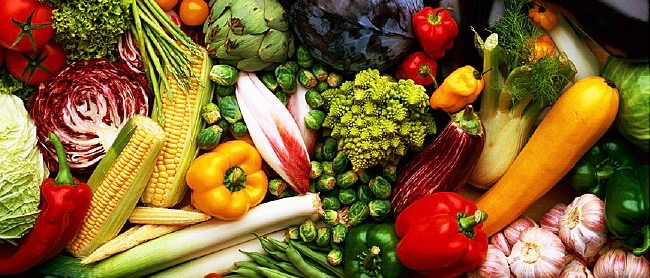
One of the main health benefits of vegetables is their high nutrient content. Vegetables are loaded with vitamins and minerals that contribute to growth and the maintenance of good health. For example, the U.S. Department of Agriculture notes that many vegetables are high in potassium, which is important for healthy blood pressure. Various vitamins, such as C and A, help keep eyes, skin, teeth and gums healthy, fight infection and promote wound healing. Perhaps most importantly, vegetables are rich in a particular group of nutrients called antioxidants, which fight cellular damage and help prevent heart disease, cancer, Parkinson’s disease, atherosclerosis, heart attack and Alzheimer’s disease, says the Linus Pauling Institute.
Fiber
Another substantial benefit of vegetables is dietary fiber. Fiber is an important nutrient found only in plant foods. As part of a healthy diet, fiber helps scour bad cholesterol out of your arteries, thus lowering your risk of heart disease, says the USDA. Fiber also keeps your digestive system running smoothly, helps control your blood sugar levels and may help prevent cancer.
Diet-friendly Characteristics
Vegetables are also a boon to dieters. Because they are generally low in fat and calories, you can eat a lot of them without gaining weight. If you substitute vegetables for other, higher-calorie foods in your diet, you’ll slash your calorie and fat intake, making weight management easier. The fiber in vegetables also helps you manage your weight. Fiber makes you feel fuller for a longer period, helping you eat less overall and aiding with weight loss or maintenance.
Considerations
Some vegetables are healthier than others. The Harvard School of Public Health states that potatoes — which many people consider a vegetable — actually do not count toward your daily recommended servings of vegetables. Instead, potatoes, and often corn as well, are starchy foods more akin to a grain serving than a vegetable serving. When choosing vegetables, keep in mind that, in general, brightly colored vegetables are higher in nutrients than less vivid choices. For example, spinach contains many more vitamins and antioxidants than iceberg lettuce. If you have questions or concerns regarding your diet or vegetables for good health, consult your physician or a registered dietitian for more recommendations.
By: Shannon Hyland-Tassava, Livestrong.com
Thanks for blogging with us!
Please visit www.LouisianasMarketplace.com for some great options in potentially reducing your Health coverage cost. Or better yet, call Kevin directly at 985-778-0072 to explore alternative solutions that just might save a bunch of moula!
•More Options •Better Alternatives •True Health Coverage for Less!